 Two forts with a single mission—to defend the Spanish colonial settlement of St. Augustine—still stand for visitors to explore and reflect on daily life behind the coquina-filled walls in 18th century Florida.
Most locals are familiar with the Castillo de San Marcos in the heart of the old city, but the lesser known Fort Matanzas, 15 miles south, is just as interesting, in part, because the drive down A1A provides a magnificent glimpse of undeveloped coastal Florida.
Built between 1740 and 1742 at the mouth of the Matanzas (the Spanish word for “slaughters”) Inlet, the fort protected St. Augustine against attack from the rear. With labor provided by convicts, slaves and additional troops from Cuba, the structure was built using local shellstone (coquina) and lime, which was made by burning oyster shells.
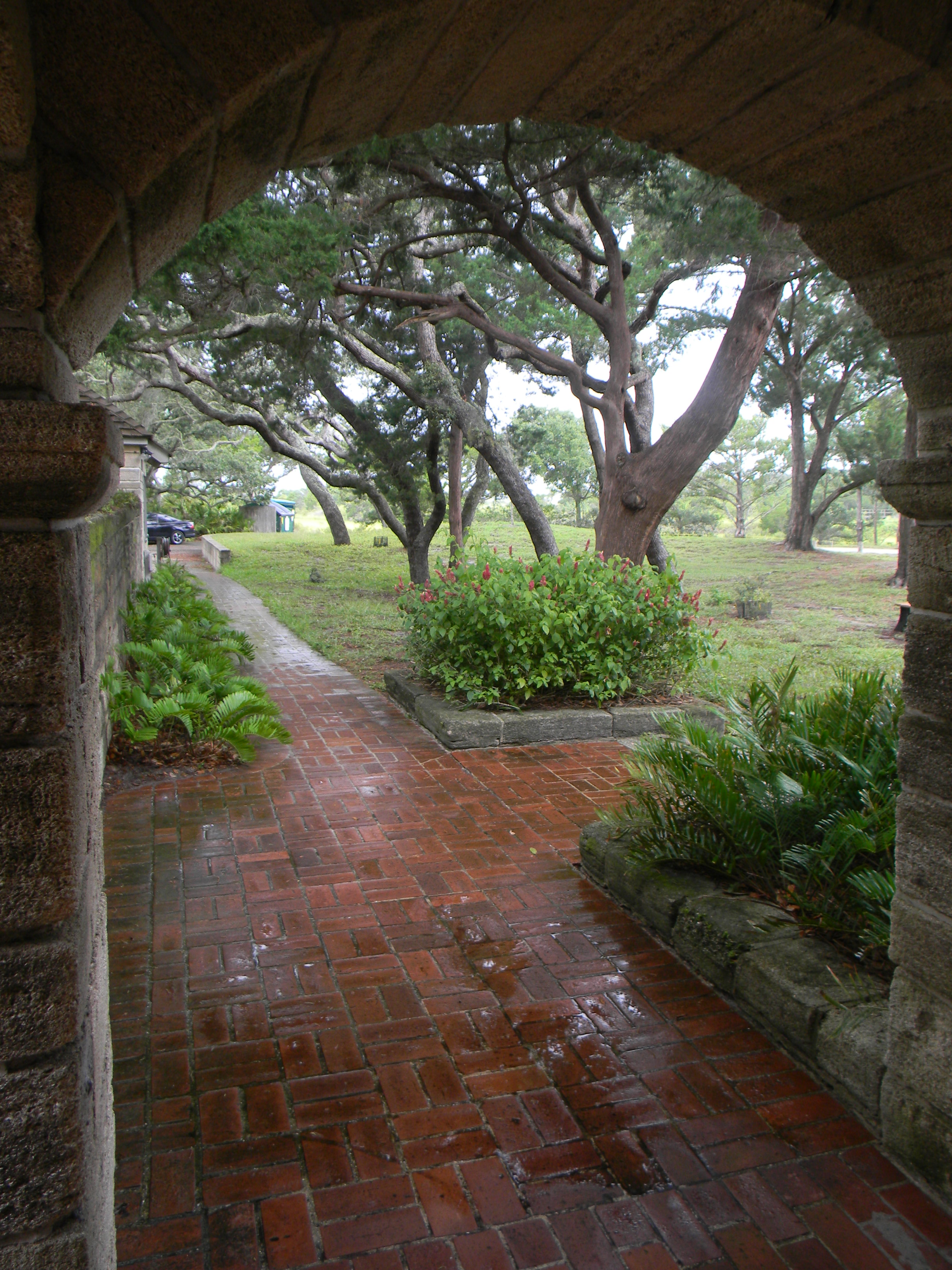 After years of decay, the fort was resurrected in the 1930s as one of FDR’s Works Progress Administration (WPA) projects. Open to the public since 1939, Fort Matanzas National Park includes a visitor’s center, nature trails and a shaded picnic area.
Crossing the Matanzas Inlet by ferry to access the fort is the best part—or maybe that’s just for us 40-year-old kids who are starved for any little adventure. In any case, it’s fun! 
Plan your visit for the first Saturday of the month, when re-enactors dressed in 18th-century Spanish attire offer up cannon-firing demonstrations and fascinating tales of life at the mighty little fort.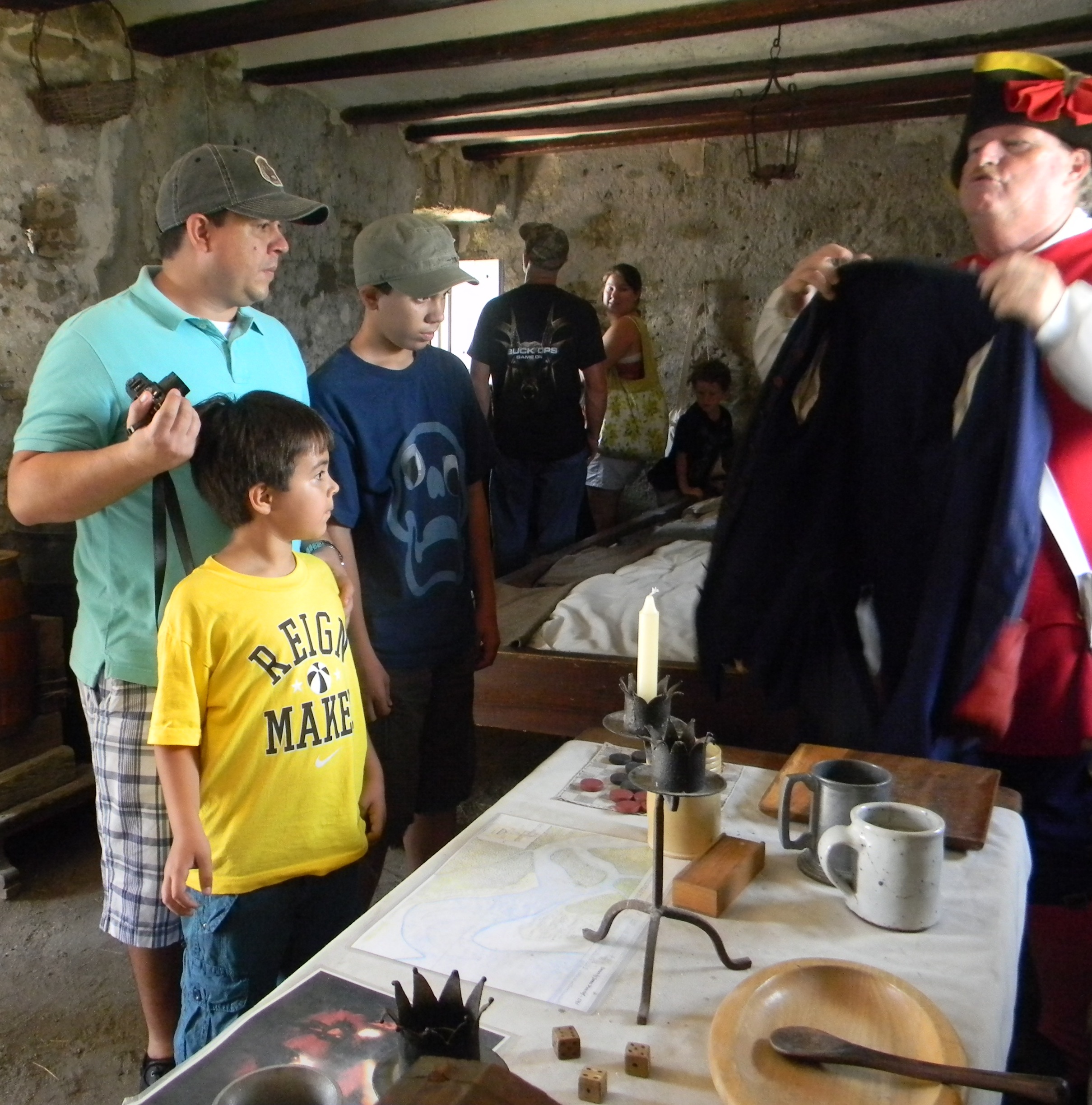
Park hours are 9 a.m. to 5:30 p.m. daily, except Dec. 25. The first ferry to the fort leaves at 9:30 a.m. and the last ferry runs at 4:30 p.m.
Admission is free, but donations are always welcome. Donations are used for boat maintenance and interpretive programming.
Fort Matanzas contact info: 904-471-0116, http://www.nps.gov/foma/index.htm

 Florida Faces and Places